
Oral care at home
Bleeding gums and gingivitis: catching it early
Bleeding when you brush is a sign of gingivitis. How it differs from periodontitis, how to clean properly, the role of scaling and when to see a dentist.
· 4 min read ·

Oral care at home
How to brush properly, choose a brush and toothpaste, use floss and a water flosser, and the common mistakes in everyday oral hygiene.

Almost everyone brushes every day, yet decay and gum inflammation remain common. The reason is usually not brushing too little but brushing in the wrong places: missing the gum line, the inside surfaces, and the spaces between teeth that a brush cannot reach. This article goes through each tool and how to use it so that two minutes morning and night really count.
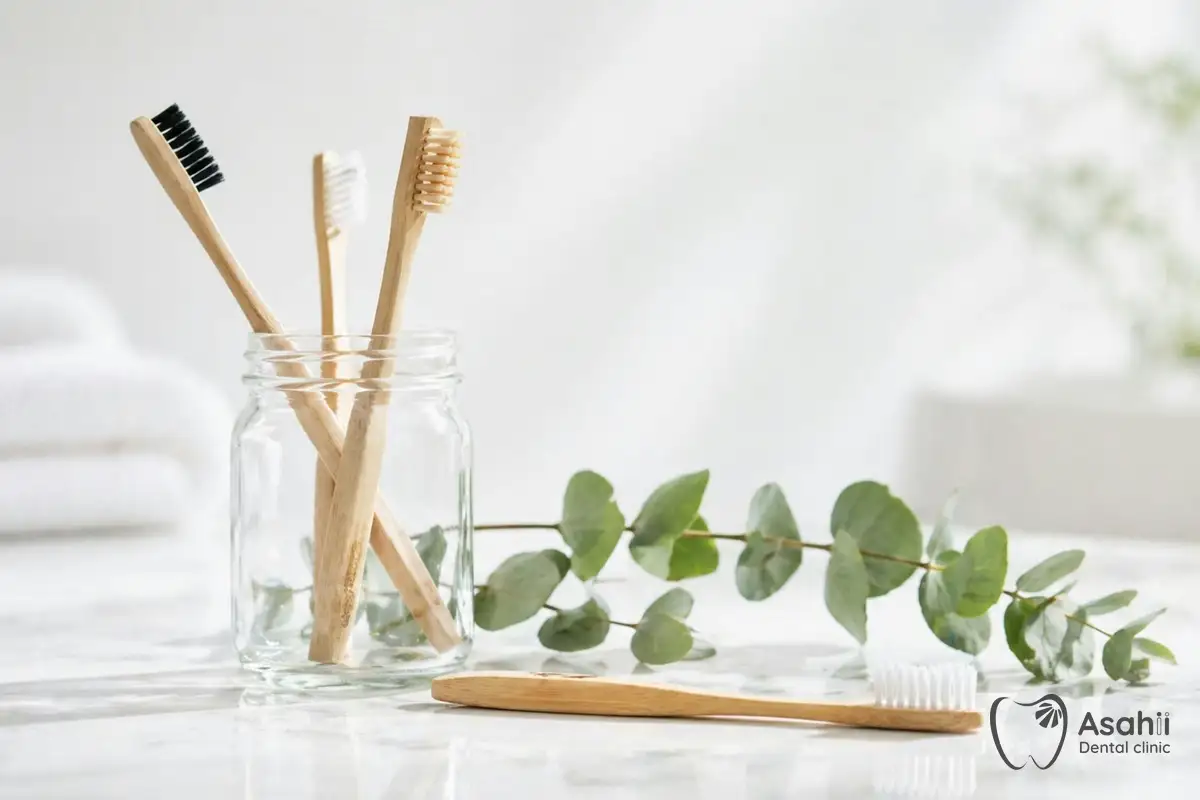

A toothbrush cleans about three surfaces of each tooth; the two surfaces between teeth can only be cleaned with floss or interdental brushes. Decay between teeth and gum inflammation between teeth are the most common problems in people who "brush very carefully but never floss".
A water flosser sprays a jet of water that clears food debris and some plaque from between the teeth, around brackets, under bridges and around implants. It is very useful for people with braces, restorations, or who struggle with floss, but the jet does not scrape off the sticky plaque film the way floss does. So:
A supporting step. Fluoride mouthwash helps against decay; antibacterial mouthwash is for short-term use as prescribed when the gums are inflamed. Alcohol-containing ones can dry the mouth with long use. Do not use mouthwash straight after brushing, which would rinse off the toothpaste's fluoride; use it at a different time of day.
The right routine also depends on your mouth (crowded teeth, restorations, braces, implants); an Asahii dentist shows you on your own teeth during a check-up and scaling, because for the clinic "personalised" starts with small things like this. See our preventive dentistry page or book an appointment by hotline 0928 888 121, Zalo or the Mini App.
Either, as long as it is twice a day. After acidic food, wait about 30 minutes before brushing. Many dentists suggest brushing before breakfast and rinsing with water afterwards.
An electric brush helps many people brush more evenly and for long enough, especially when manual technique is poor. A manual brush used properly is still effective.
Not entirely. A water flosser clears debris well but does not scrape off the plaque film the way floss does. Use both, or ask your dentist what suits your teeth.
Not necessarily. Brushing with fluoride toothpaste and cleaning between the teeth daily are the foundation. Mouthwash is an extra, used as needed or as your dentist advises.
This article is general information reviewed by our dentist; it is not a diagnosis. Only an examination can say what your teeth need.
Tap a star — 1 is not helpful, 5 is very helpful.
Thank you! Your rating helps us write better.
Could not send right now — please try again later.Leave your number — reception calls back to agree a time. The dentist explains and quotes before any treatment.
Bleeding when you brush is a sign of gingivitis. How it differs from periodontitis, how to clean properly, the role of scaling and when to see a dentist.
· 4 min read ·

How tartar forms, the benefits of regular check-ups and scaling, how often suits different people, what to expect afterwards and how to book.
· 3 min read ·

A practical guide to oral hygiene with braces: the first days, food to limit, brushing around brackets, useful tools and what to do when a bracket comes loose.
· 4 min read ·
Book a visit
Leave your phone number – our front desk will call you back to find a time that suits you.