Toothache at night: common causes and what to do until morning
Why toothache gets worse at night, the common causes, safe ways to get through the night, what not to do, and when it is an emergency.
Toothache during the day is bearable; at night it often becomes much worse. Lying down sends more blood to the head and raises the pressure inside the tooth's pulp, there is nothing to distract you, and the clinic is closed. This article helps you recognise the likely cause, get through the night safely, and know when to seek emergency care instead of waiting for morning.
Common causes
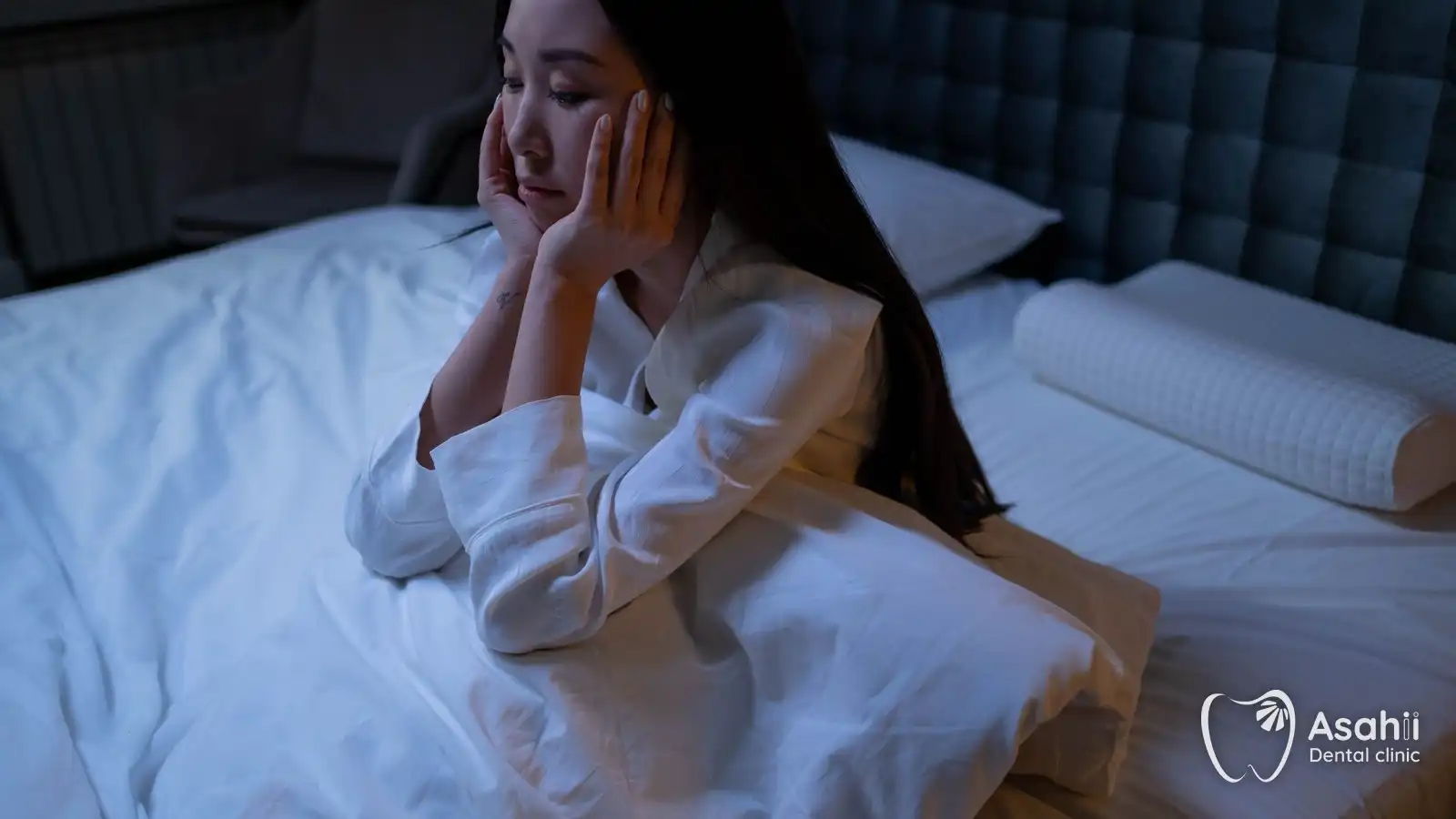
Holding a sore cheek: inflamed pulp from deep decay is the most common cause of toothache at night
Deep decay, inflamed pulp: sharp, throbbing pain that comes on by itself, worse lying down and with hot or cold food, sometimes spreading to the ear or temple. This is the most common cause of night-time toothache. See What is root canal treatment?.
Abscess at the root tip: constant pain, the tooth feels "high" when biting, swollen gum, possibly fever. The pulp has usually died some time before.
An impacted wisdom tooth or infected gum flap: pain at the back corner of the jaw, swelling, difficulty opening. See Impacted wisdom teeth.
A cracked tooth: sharp pain on biting and releasing, hard to pin down to one tooth.
A gum abscess: swollen, painful gum with pus, a loose tooth.
Food wedged between two teeth: pressure pain that stops once it is removed.
Grinding: aching across the whole jaw and tired muscles on waking.
Sinusitis: several upper back teeth aching at once, worse when bending forward, with a blocked nose.
Safe ways to get through the night
Over-the-counter pain relief such as paracetamol, at the dose on the packet and never above the daily maximum. If you have liver, kidney or stomach problems or take other medicines, ask a pharmacist or doctor before taking anti-inflammatories.
Rinse with warm salt water a few times, especially if you suspect trapped food or gum inflammation.
Floss gently to remove food wedged between teeth.
Sleep with your head raised to reduce pressure on the tooth.
Cold compress on the cheek for 15 minutes if there is swelling. Do not use heat.
Avoid very hot, cold or sweet food, and chew on the other side.
Note which tooth hurts, what the pain is like and when it comes, to tell the dentist in the morning. If you have been to Asahii Dental Clinic before, your earlier X-rays and records are still in the clinic's system for the dentist to compare.
What not to do
Do not place painkillers directly on the tooth or gum: they burn the soft tissue.
Do not take leftover antibiotics from a previous course: wrong type, wrong dose, they mask the symptoms and increase resistance.
Do not pick at the tooth with toothpicks or pins.
Do not apply garlic, spirits or hot oils to the tooth or gum.
Do not apply heat to a swollen face: it can spread the infection.
Do not keep putting up with it night after night: painkillers only hide the symptom while the cause gets worse.
When it is an emergency: go now, do not wait for morning
Swelling spreading quickly to the cheek, down the neck, under the jaw or up towards the eye.
Difficulty swallowing or breathing, or being able to open the mouth only slightly.
High fever with a swollen face.
Bleeding that will not stop after an extraction or injury.
A tooth broken or knocked out in an accident with a head injury.
These signs suggest an infection that may be spreading and needs treatment at a facility with emergency care, including a hospital, that same night.
The next morning: book an appointment
Even if the pain eases after taking medicine, see a dentist soon. Pain that stops by itself after a few days of severe pain can mean the pulp has died; the infection goes quiet and comes back worse. At the visit the dentist examines you, tests the pulp and takes X-rays to find the true cause, because the same kind of pain can come from several different teeth. Only an examination in person can give a diagnosis. Asahii is open every day of the week from 08:30, Saturdays and Sundays included, so a painful night at the weekend does not mean two more days of waiting; when you book by hotline, Zalo or the Mini App, say that you are in significant pain so you are given an early slot.
The next morning, calling to book an early appointment even though the pain has eased
Lying down sends more blood to the head and raises the pressure inside an inflamed pulp. At night there is also less to distract you, so the pain feels stronger.
What can I take for toothache?
Over-the-counter pain relief such as paracetamol at the dose on the packet can get you through the night. Do not take antibiotics on your own. Medicine is only temporary; the cause still needs treating.
My toothache went away by itself. Do I still need to see a dentist?
Yes. Severe pain that stops by itself can mean the pulp has died; the infection keeps developing silently into an abscess. See a dentist soon even though the pain has gone.
When does toothache need a hospital?
When swelling spreads quickly down the neck or up towards the eye, when swallowing or breathing is difficult, with a high fever, or when bleeding will not stop. These are emergencies.
This article is general information reviewed by our dentist; it is not a diagnosis. Only an examination can say what your teeth need.
Was this article helpful?
Tap a star — 1 is not helpful, 5 is very helpful.
Thank you! Your rating helps us write better.
Could not send right now — please try again later.