
General dental health
Toothache at night: common causes and what to do until morning
Why toothache gets worse at night, the common causes, safe ways to get through the night, what not to do, and when it is an emergency.
· 4 min read ·

General dental health
What root canal treatment is, when the pulp becomes inflamed, the steps involved, whether a crown is needed afterwards and how to care for the tooth.
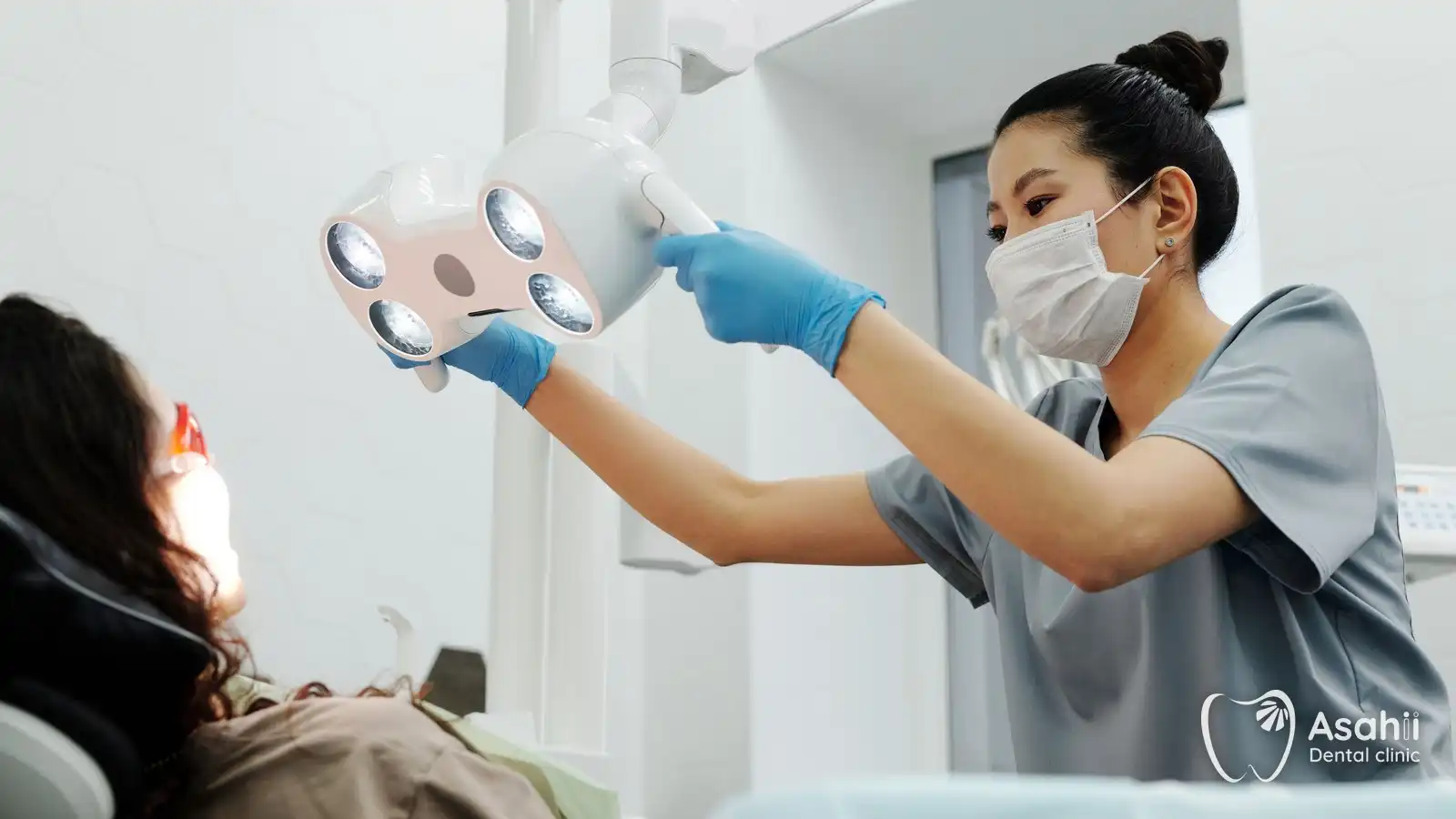
"Root canal" sounds frightening, but it is the way to keep a tooth that would otherwise have to be removed. When the pulp is inflamed or has died, the dentist removes the diseased pulp, cleans and seals the root canal system, and then restores the crown of the tooth. A tooth without its pulp still stands in the bone and can chew for many years if it is protected properly.
The pulp is the soft tissue inside the tooth, made of blood vessels and nerves, running from the pulp chamber in the crown down the canals in the roots. It becomes inflamed when bacteria reach it, usually through:
Early pulp inflammation causes lingering sensitivity to hot and cold; later, spontaneous pain and pain at night. Once the pulp dies, the tooth may stop hurting for a while and then swell up with an abscess. See Toothache at night.
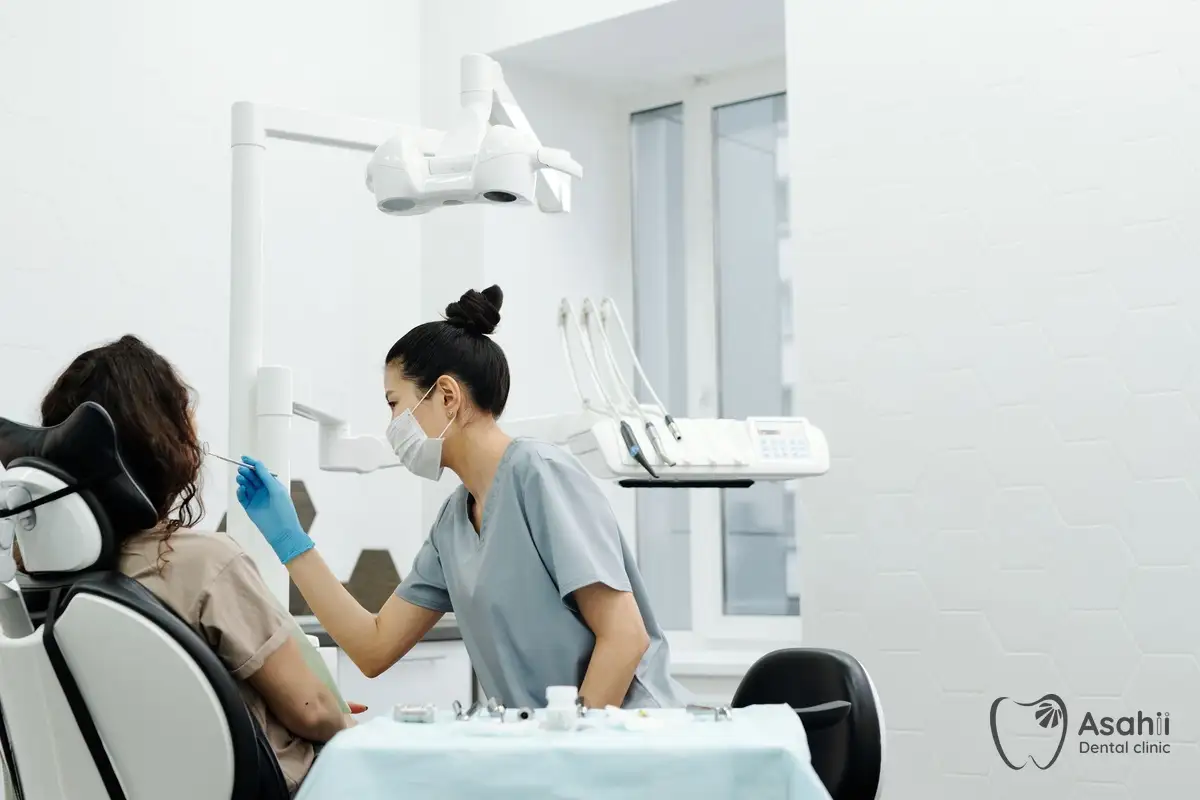
A single-rooted front tooth is often finished in one or two visits; a back tooth with several curved canals may need more. During treatment, avoid chewing hard on the tooth, because the temporary filling breaks easily. At Asahii Dental Clinic, before starting, the dentist shows you on the X-ray which tooth needs treatment, the expected number of visits and the cost of each item, including the restoration afterwards; the plan is written down for you to confirm, and each visit is reminded through the clinic's Zalo Mini App.
It depends on which tooth and how much of it is left.
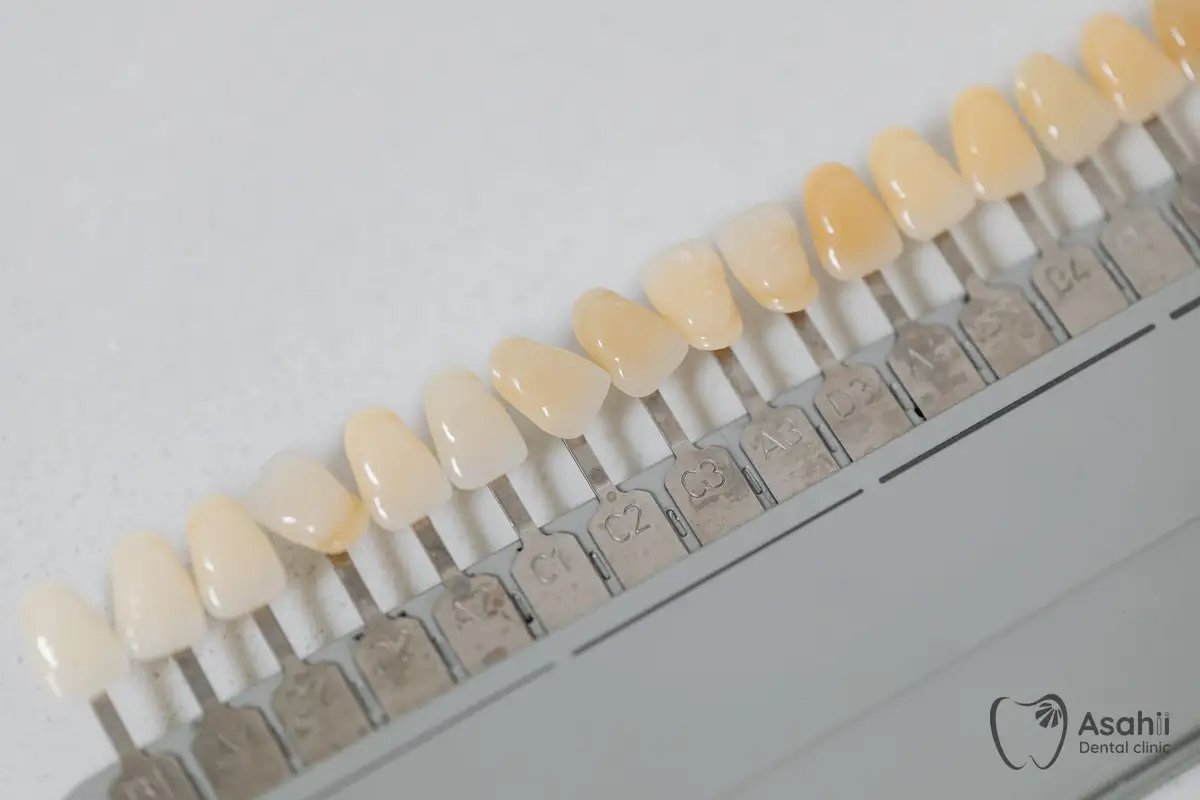
A root-treated tooth left with only a temporary filling for a long time is a common reason for the tooth to fracture and be lost a few years later. See Porcelain crowns: when you need one.
Whether your tooth needs root canal treatment or just a filling, and whether it should then be crowned, can only be decided after an examination, pulp tests and X-rays. See our general dentistry page or book an appointment by hotline 0928 888 121, Zalo or the Mini App.
The tooth is anaesthetised before treatment. For an acutely inflamed tooth the dentist may need extra anaesthetic. Afterwards, mild tenderness for a few days is common and manageable with ordinary pain relief.
Many years if the canals are cleaned and sealed well and the crown of the tooth is restored solidly (usually a crown for back teeth). Hygiene and regular check-ups matter too.
For back teeth the risk of cracking is clearly higher, because the tooth is brittle without its pulp and takes heavy chewing forces. The dentist will advise based on how much tooth remains.
It can, if a canal was missed, the filling leaks and lets bacteria back in, or the tooth cracks. It then needs an examination for retreatment or another solution.
This article is general information reviewed by our dentist; it is not a diagnosis. Only an examination can say what your teeth need.
Tap a star — 1 is not helpful, 5 is very helpful.
Thank you! Your rating helps us write better.
Could not send right now — please try again later.Leave your number — reception calls back to agree a time. The dentist explains and quotes before any treatment.
Why toothache gets worse at night, the common causes, safe ways to get through the night, what not to do, and when it is an emergency.
· 4 min read ·

When a porcelain crown really helps, when a filling, veneer or braces are better, the crown procedure step by step, and how to care for a crowned tooth.
· 4 min read ·

Why teeth are sensitive to cold, the habits that make it worse, what helps at home and when you need a dentist to check.
· 3 min read ·
Book a visit
Leave your phone number – our front desk will call you back to find a time that suits you.