
Oral care at home
Eating and oral hygiene with braces
A practical guide to oral hygiene with braces: the first days, food to limit, brushing around brackets, useful tools and what to do when a bracket comes loose.
· 4 min read ·

Orthodontics & braces
How parents can handle brace problems at home, from poking wires and loose brackets to lost elastics and cracked aligners, and when to call the clinic.

While your child has braces, there will be times when the end of a wire rubs the cheek, a bracket comes loose after a meal, or an aligner cracks on a Saturday evening. Most of these are not emergencies: you can make your child more comfortable at home and then arrange for the clinic to fix it. This article helps parents tell what they can handle themselves and what needs a call straight away.
In short: • Most brace problems, such as a wire rubbing the cheek, a loose bracket or a cracked aligner, are not emergencies: parents can manage for now at home and then book the clinic. • A small kit with orthodontic wax, a mirror, cotton buds and an aligner case makes this quicker. • Don't cut the wire or glue a broken appliance yourself; when unsure, take a photo and message the clinic. • A hard knock, swelling, fever, severe pain, or swallowing a part with coughing or difficulty breathing needs immediate contact.
Keep a small kit in your child's school bag or at home with:
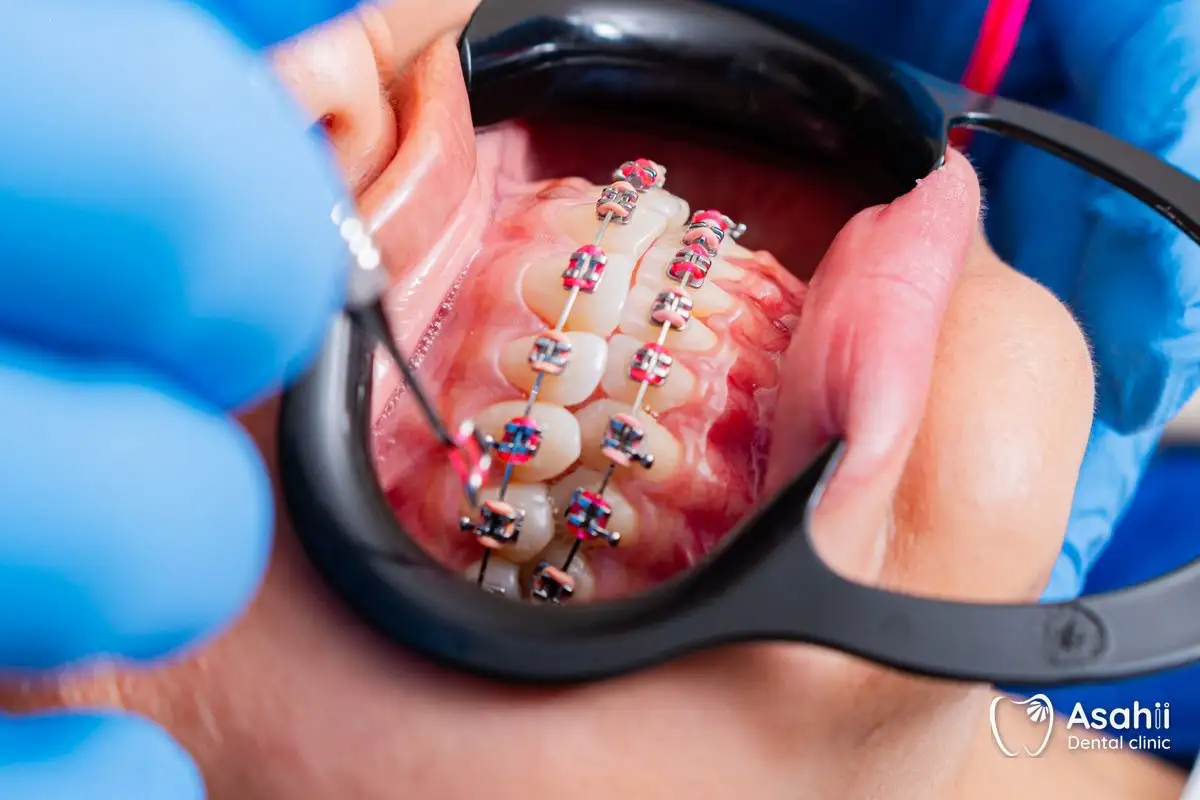
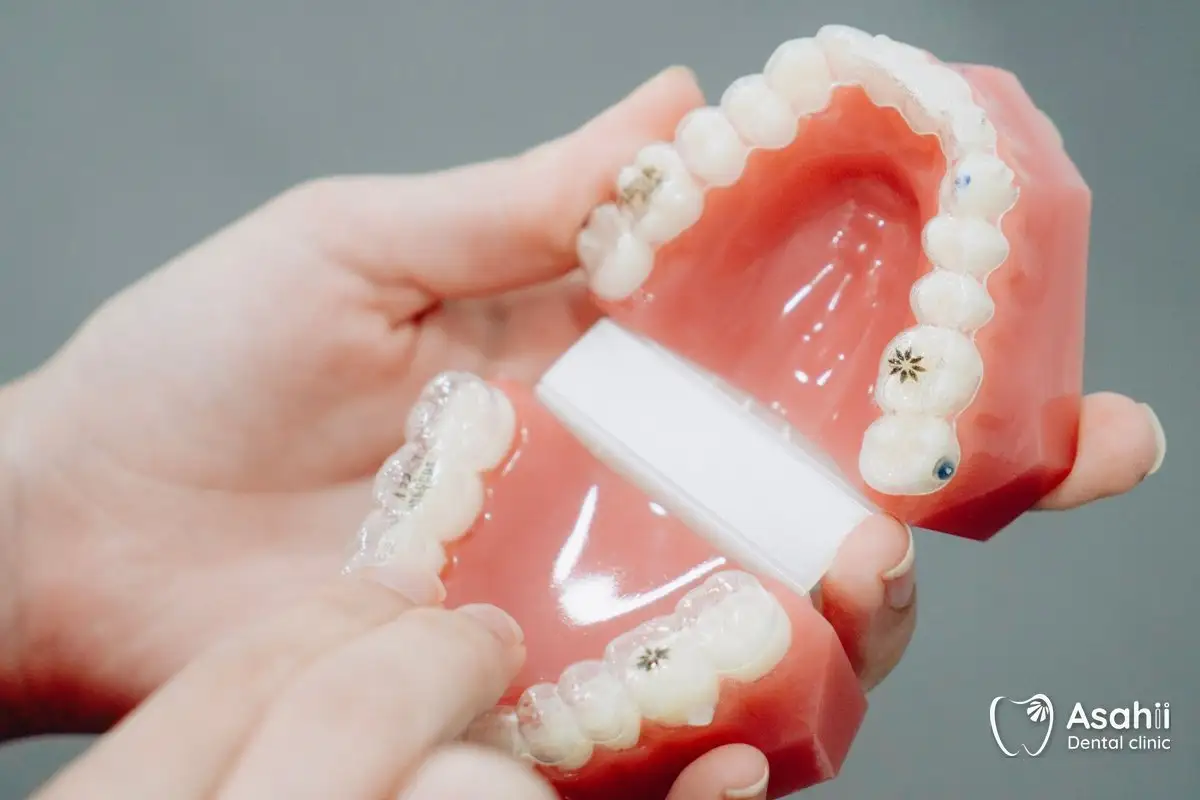
Feeling pressure or tenderness for the first few days is normal, as the teeth begin to move. You can:
As the teeth move, the end of the archwire sometimes slides out at the back and rubs the cheek.
Do not cut the wire yourself with pliers or nail clippers unless the clinic has given you specific instructions, because a loose piece could fall into the throat.
Brackets usually come loose from biting something hard. If the bracket is still on the wire and not digging in, just cover it with wax and let the clinic know. If it has come off completely, keep it and bring it to the next visit. A loose bracket means that tooth is not being moved properly, so do not wait until the next routine appointment to report it. Asahii works on Saturdays and Sundays, so a bracket that comes off at the weekend can usually be rebonded without waiting until the following week.
The small ties around the brackets sometimes break or fall off. Contact the clinic to find out whether you need to come in early. For inter-arch elastics that your child has been told to fit, simply put in a new one as instructed. If you run out, ask the clinic for more.
In the first weeks the inside of the mouth is not yet used to the appliance. Cover rubbing spots with wax and rinse with warm salt water. Sores usually heal within a few days. If a sore is large, very painful or lasts more than two weeks, have the orthodontist look at it.
Do not glue it. Put it in its case and bring it to the clinic. See also After braces: why retainers matter.
Contact the clinic immediately, or go to the nearest medical facility if needed, if your child:
If a permanent tooth is knocked out, hold it by the crown, not the root, rinse it gently with clean water, keep it in fresh milk or in the mouth (for an older child), and get to a dentist as quickly as possible.
Tip from Dr. Chu Thuy Trinh: Most brace problems aren't urgent. Send the clinic a photo first; often a bit of orthodontic wax keeps your child comfortable until the appointment.
Every appliance has its own instructions, so follow what the orthodontist told you when it was fitted. When in doubt, take a photo and message the clinic. Asahii Dental Clinic is open every day of the week, 08:30 to 19:00; you can reach us by hotline 0928 888 121, Zalo or the Mini App, or book a check-up. See also our orthodontics and braces page.
It is usually not an emergency, but let the clinic know soon so it can be rebonded. Meanwhile, cover it with wax if it rubs.
Orthodontic wax is made for use in the mouth, and swallowing a small amount is usually harmless. Replace the wax after eating.
No, unless the clinic has given you specific instructions. Cover it with wax and arrange for the orthodontist to trim it.
Tenderness and pressure for a few days are common. If the pain keeps getting worse, or comes with swelling or fever, contact the clinic.
This article is general information reviewed by our dentist; it is not a diagnosis. Only an examination can say what your teeth need.
Tap a star — 1 is not helpful, 5 is very helpful.
Thank you! Your rating helps us write better.
Could not send right now — please try again later.Leave your number — reception calls back to agree a time. The dentist explains and quotes before any treatment.
A practical guide to oral hygiene with braces: the first days, food to limit, brushing around brackets, useful tools and what to do when a bracket comes loose.
· 4 min read ·

Metal braces, ceramic braces and clear aligners compared on appearance, hygiene, appointments and suitability, and how your orthodontist chooses.
· 4 min read ·

How long braces take, the stages of a course of orthodontic treatment, what makes it longer or shorter, and how to keep your treatment on schedule.
· 4 min read ·
Book a visit
Leave your phone number – our front desk will call you back to find a time that suits you.